We use cookies to make this site work. We'd also like to set optional cookies so we can understand how the site is used and improve it. We will not set optional cookies unless you accept them. You can change your choice at any time from the Cookie settings link in the footer.
Strictly necessary cookies
These cookies are required for the site to work. They store your cookie preferences and keep your session secure. They are exempt from consent under PECR Regulation 6(4) because they are essential to deliver the service you have requested.
Optional cookies
Optional cookies help us understand how the site is used and provide additional features such as analytics, accessibility tools and translation. We will only set them if you accept.

Blog: Signs It’s Time for a Memory Assessment
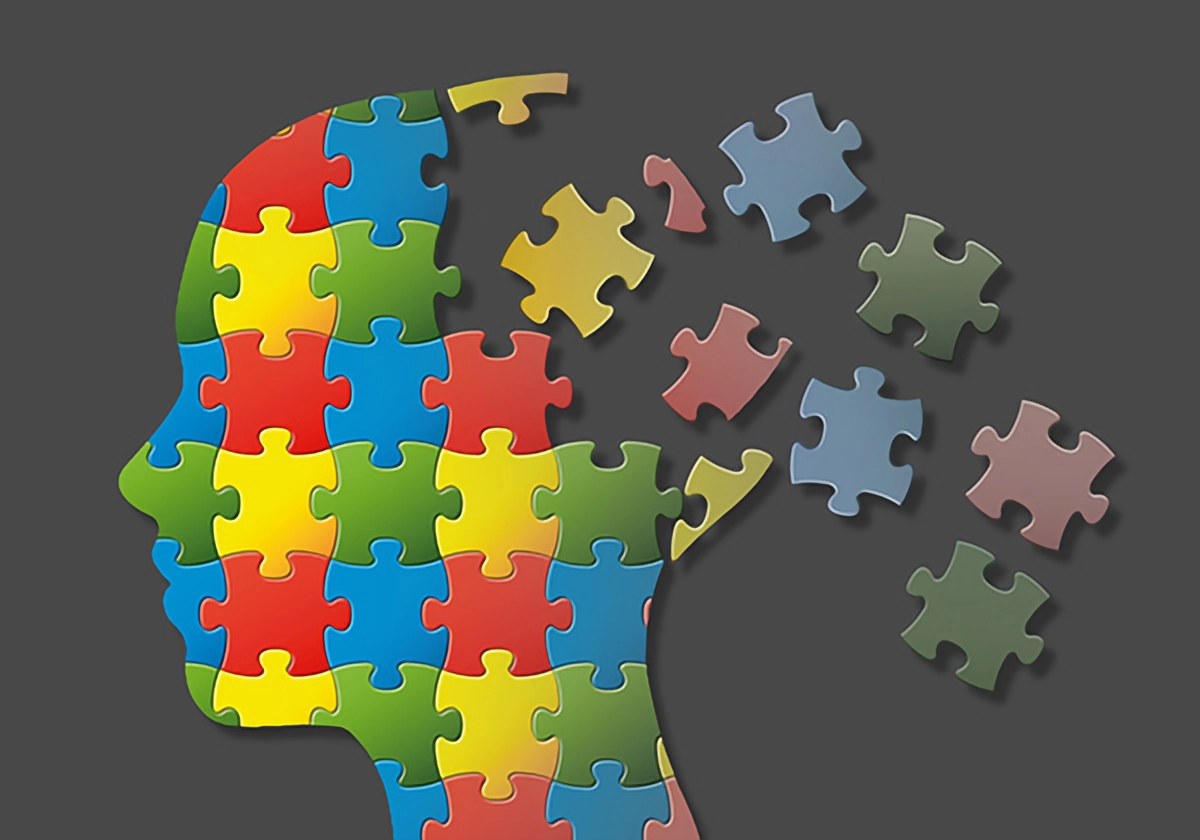
We all forget things from time to time - where we left our keys, the name of a movie, or why we walked into a room.
These moments are usually nothing to worry about. But when forgetfulness starts to interfere with daily life, it could be a sign that something more is going on.
A memory assessment can help identify whether changes in memory and thinking are part of normal ageing or linked to something like mild cognitive impairment or dementia. It’s not about labelling—it’s about understanding what’s happening and finding the right support.
So, how do you know when it might be time to speak to your GP?
Here are a few signs to watch for:
- Frequent forgetfulness – Repeating questions, misplacing items often, or struggling to recall recent events.
- Getting confused in familiar places – Losing track of time or getting disoriented in places that used to feel familiar.
- Struggling with day-to-day tasks – Difficulty managing finances, cooking a meal, or following steps in a usual routine.
- Changes in mood or personality – Feeling more withdrawn, anxious, or irritable than usual, especially if this is out of character.
- Word-finding difficulties – Trouble following a conversation or finding the right word when speaking.
- Concerns from others – Sometimes friends or family notice changes before the person affected does.
If any of these sound familiar—either for you or someone you care about—it’s worth having a conversation. A memory assessment doesn’t mean a diagnosis of dementia; it’s simply the first step in understanding what might be going on. And the earlier we investigate, the more we can do to help.
Help is available. Our Private Memory Assessment Service is designed to support individuals who are noticing changes in memory, thinking, or behaviour. Led by Dr. Hayder Al-Shamaa, a GP with a special interest in memory and cognitive health, our assessment service takes the time to look at the full picture. With support from a registered nurse, you’ll receive tailored guidance based on your individual needs.
If you’d like to find out more or book an appointment, please call us on 01323 402790.

Published: Jul 30, 2025